Why We’re Watching These Five South Asian Artists Right Now
From Karshni Nair’s raw debut to Sanaya Ardeshir’s matrilineal piano record, meet the five independent South Asian artists redefining music in 2026
The question independent South Asian artists are asking today seems to be: are we being authentic to the source material? That is a difficult and very intriguing question to be asking in music. The reference points have turned inward, and the infrastructure (Karigar, Veena Sounds) has started catching up with the ambition.
Possibly most importantly, the personal is no longer being subordinated to the representational. Karshni Nair is surgically dismantling her own grief, and her unvarnished record happens to come from an Indian woman in Pune. Diaspora artists, meanwhile, are less interested in negotiating between two cultures and asking for belonging in both — as they should.
Southasian-ness is constitutive to this work, not the point of it. That distinction is subtle, and it matters enormously.
Karshni
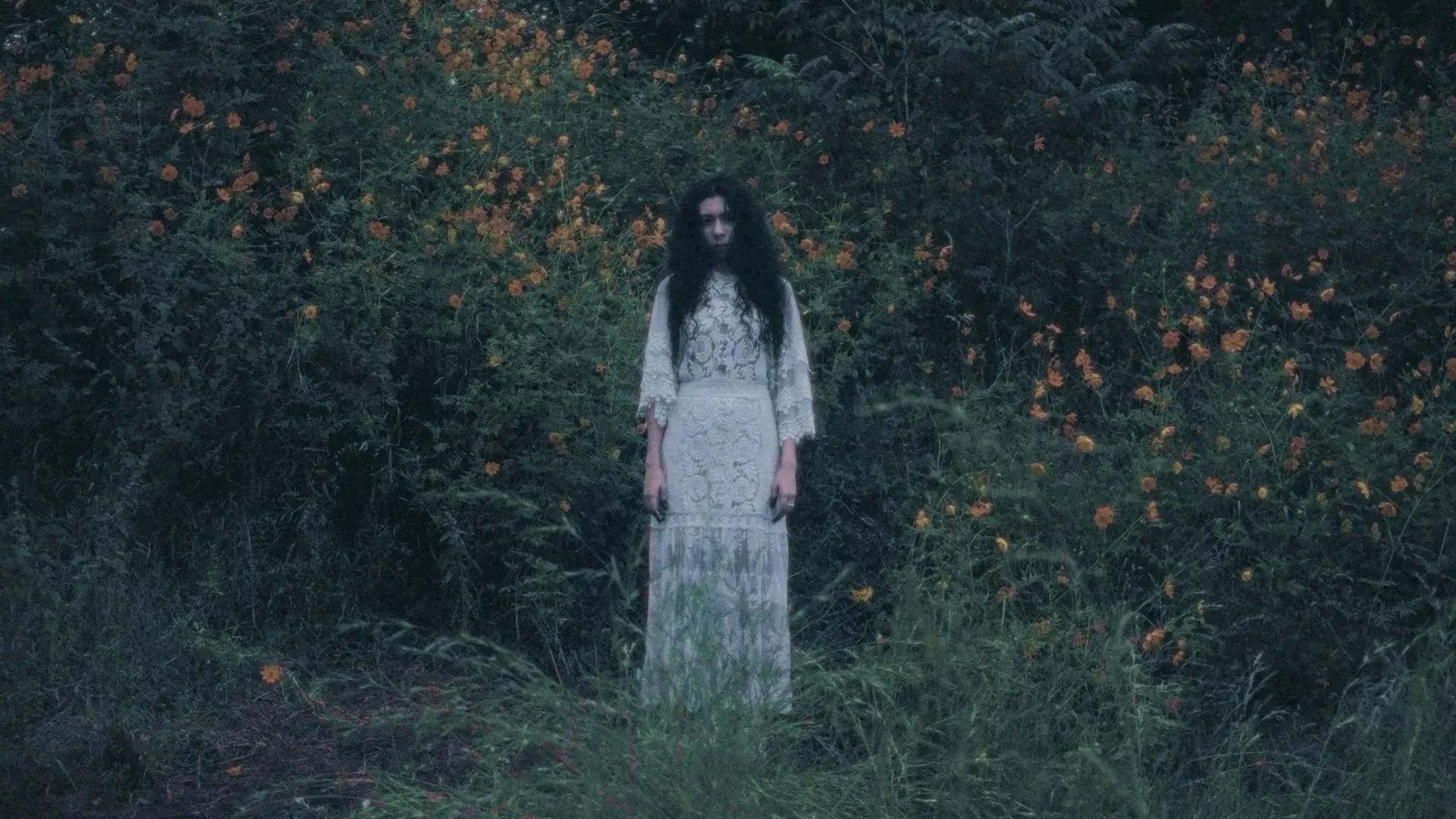
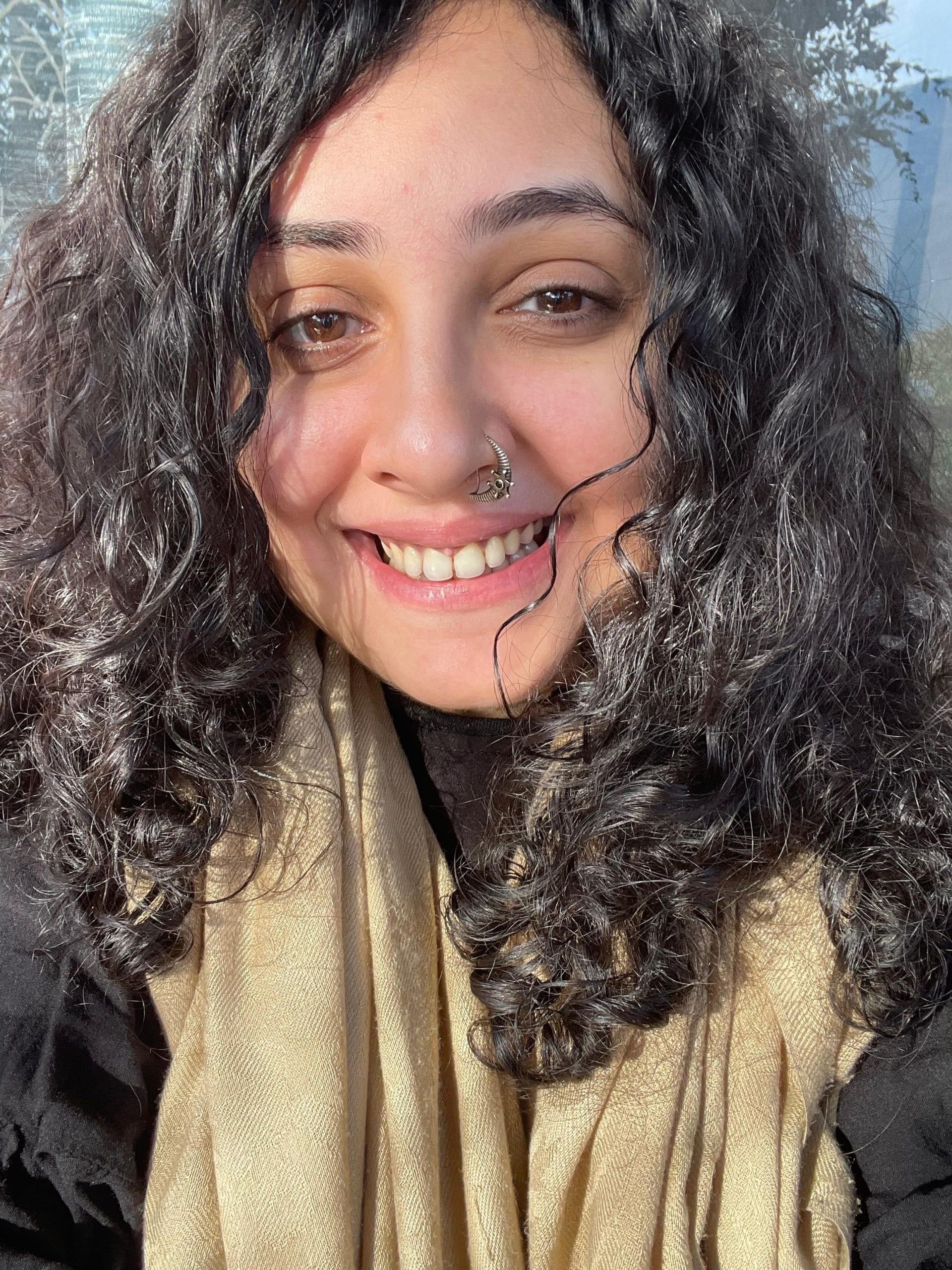
The most arresting debut of the year belongs to Karshni Nair, and before we get to the music, let’s be clear about the conditions Buck Wild came from. “In 2025 when I went extremely broke, and couldn’t afford a life in Mumbai anymore, I came home to Pune. I did have a comfortable home where I could create, and even though it was laced with the turmoil of not having enough money, I did what I could and I know that I was still better off, than most, in hindsight,” she says. The city that was supposed to hold her ambition couldn’t. You can hear it on the very first track — Gaping Hole — on the album. The economic conditions that propel women making visceral music like this back toward dependence and home are not separate from the art.
The record follows a buck through lust, grief, rage and brutalisation; and Karshni’s act of adopting the identity of the buck is a radical act of gendered reclamation: she refuses the role of the hunted. There is one track she still winces at: “thinking about that day,” she says, without elaborating. She does not need to explain further. She directed the music video for “Malapropism,” which features Shibari rope bondage artist Amiya Bhanushali. Karshni is not interested in reassurance, and the record is far better for it.
The album is almost claustrophobic to listen to on headphones, in the way that the best confessional music is. Abrasive synths that choose not to shimmer, bass that sits low and bruising, Karshni’s voice moving between intimacy and something almost like a snarl. In 2026, South Asian female artists are making you hold the weight of their rage. Mixed by Philtersoup and mastered by Krishna Jhaveri, artwork by Saba Mundlay. Buck Wild is entirely present-tense — the grief has not yet become memory.
Lapgan
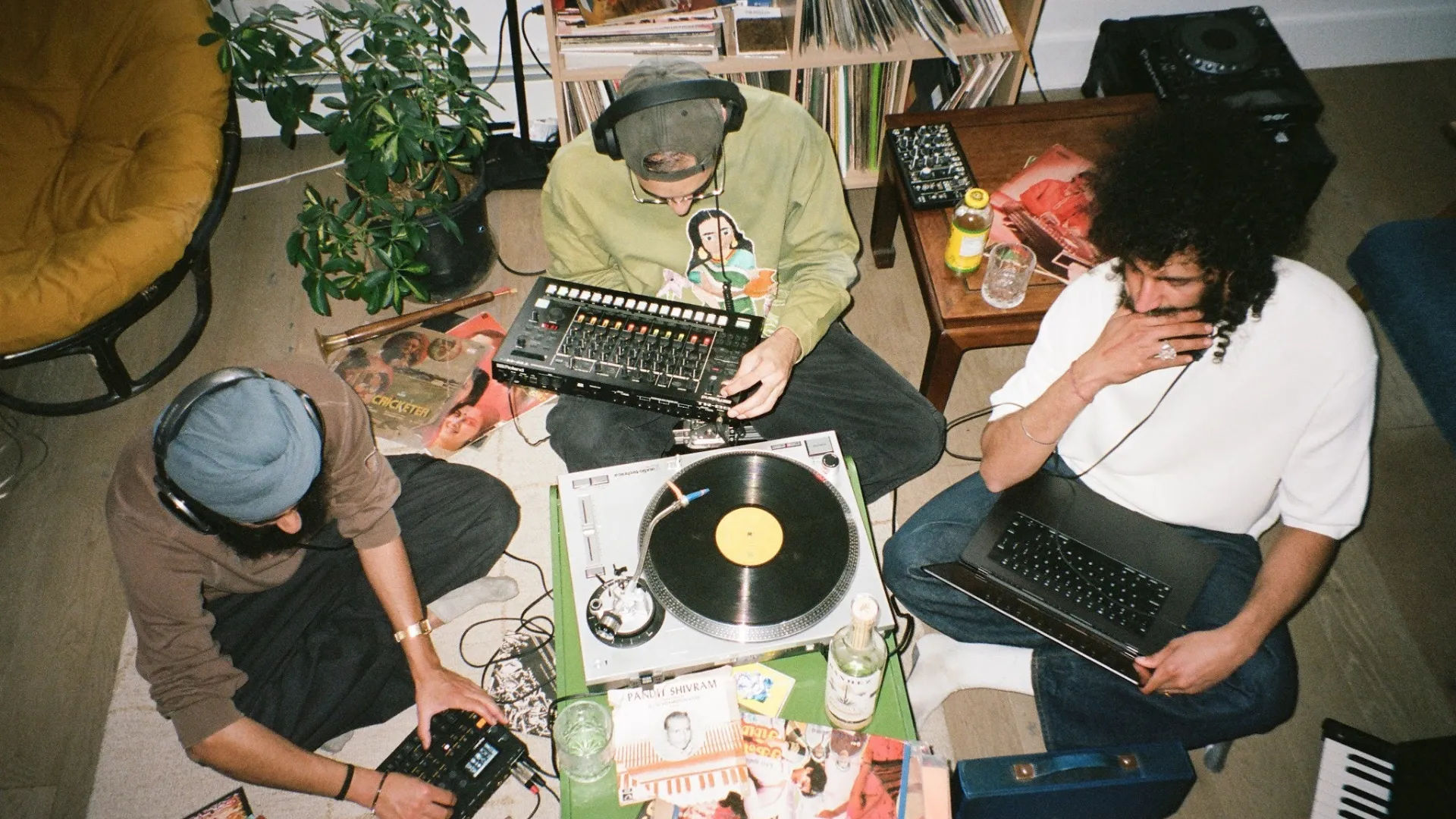
If Karshni is dismantling the present, Lapgan is reclaiming the past. Lapgan (Gaurav Nagpal) works from Chicago, nostalgic on behalf of a recorded history that most people have never heard and that risks disappearing. The Lollywood soundtracks, the Marathi chants, the Pakistani folk: these are someone else’s memories, and through his music he insists that they matter.
His selection process is sometimes less curatorial than it sounds; he follows feeling first. “If I find a loop and it makes me feel something or it catches my ear, I’ll dive deeper.” Technical mastery is only the entry point to the journey a sound can take you on. With Duniya Kya Hai, his 2021 album woven from Lollywood’s golden era, the impulse was simply to share history he’d found. He isn’t hoarding the archive — he is redistributing it.
On what collaboration unlocks, he says, “I’ve found that in my few collaborations, I’ve been reenergised and inspired with each one. In a great collaboration, I really let the ego go and work together as a vessel.” For a producer whose work can seem hermetically self-sufficient, that openness is refreshing. “Nishant Mittal (Digging In India) has really been a constant source of inspiration and a help with finding new source material,” Gaurav says.
His most recent collaboration is Threads, made with Baalti. “Threads is my first real-time collaboration record,” he says, “And one that explores genres outside of downtempo.”
Baalti
Baalti made their latest album in the Californian desert with Lapgan, stripping back to “no gear, no studio, no distractions.” On the dancefloor, Threads hits with the weight you’d expect from producers who have spent years in the bass-heavy end of UK-influenced club music.
Composed of Brooklyn/San Francisco-based duo Mihir Chauhan and Jaiveer Singh, Baalti knows how to tap into nostalgia that precedes language. They bring people together with sounds of the past played on the dancefloor of now, for a boisterous celebration of connection and collective remembering. Just listen to Romance!
Lime Tikka, on the other hand, began with a nadhaswaram record Nishant Mittal had dug up — a double-reed wind instrument from South India. “It instantly felt so otherworldly yet somehow familiar,” Jaiveer says, “Like a Shehnai that’s turned psychedelic.”
When they matched it with Rajasthani folk drums, the desert logic of the whole album snapped into place. “We really wanted it to feel like a nadhaswaram was euphorically bursting into the club halfway through.” Mihir remembers hitting play without altering it. “The three of us freaked out about how it magically fit into place.”
The music video — a nine-minute “intergalactic” short film directed by Rounak Maiti and Karanjit Singh — follows a girl called Satellite Kaur, determined to reach space after one falls on her village.
The artists Baalti admire are ones “that we’re willing to follow wherever they lead — and that’s who we aspire to be.” That is both an aspiration and a standard, and Threads gets pretty damn close to meeting it.
Roz Angon
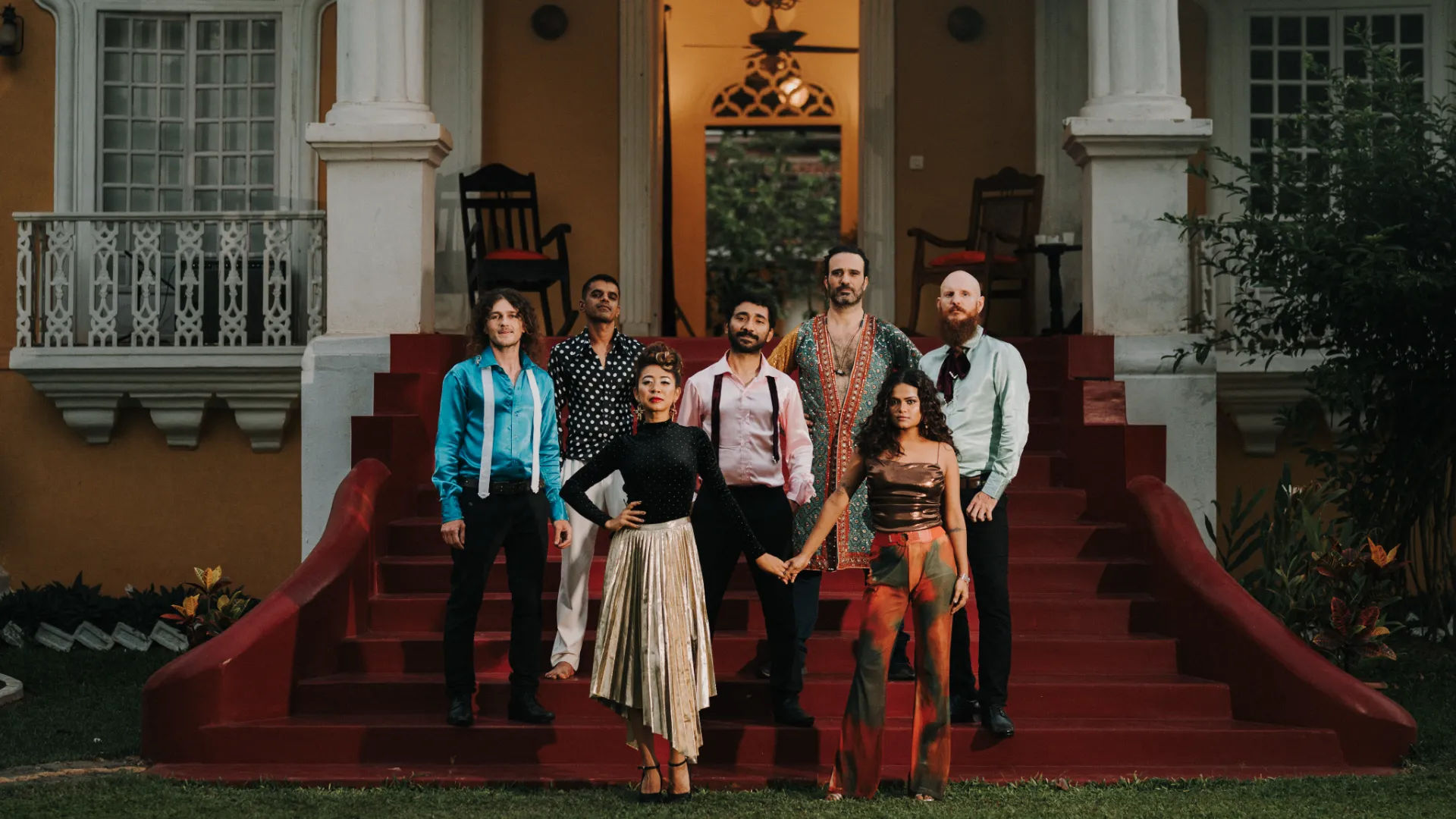
Nostalgia knows no geography, and Goan band Roz Angon was born from an irresistible urge for exactly that. Jose Neil Gomes (guitarist, violinist, composer, and the project’s architect) was stuck in Mumbai during lockdown, listening to Konkani classics on the radio on repeat. He quietly put in the hours deconstructing and rearranging tunes he loved until an online showcase opportunity arrived through Gatecrash, and within a week the seven-piece band was assembled.
Vocalists Kaprila Keishing and Sampriti Dastidar carry the melodic heart of the project; Daveed Goren on tenor saxophone, Adrien Braud on clarinet, Taras Rochniak on bass and Lior Belaish on drums provide the jazz architecture underneath, all trained by Gomes in Konkani tonality. The sound (the melodic sensibility of 1960s Konkani music held inside spacious arrangements) produces the kind of warmth only music with deep roots and decades of cultivation can.
The project takes its name from the roz angon, the indoor courtyard of old Konkan houses, and was conceived as an elegy for a rapidly changing Goa. “What we see in Goa today is unchecked and corrupt concretisation,” Gomes says. The upcoming debut album is “a straight out protest album, highlighting the re-colonisation of Goa, this time by its own people and its countrymen.”
The rose garden can also, as it turns out, be a picket line.
“All these years of listening to Fela Kuti, and my love for all kinds of African music, had to give, in some ways,” he adds. Roz Angon’s sound is rooted in Konkani tonality and orchestral jazz, warm and precise and deeply melodic; but it is in the bone-deep understanding that preservation and protest are the same act that we get a glimpse of this parallel.
Roz Angon’s 2025 alter ego Bageecha, orchestral Bollywood and 1970s disco through a jazz lens described as “the other side of the same coin”, reaches a wider audience and that pragmatism is its own kind of politics — keeping the protest funded.
Sanaya Ardeshir
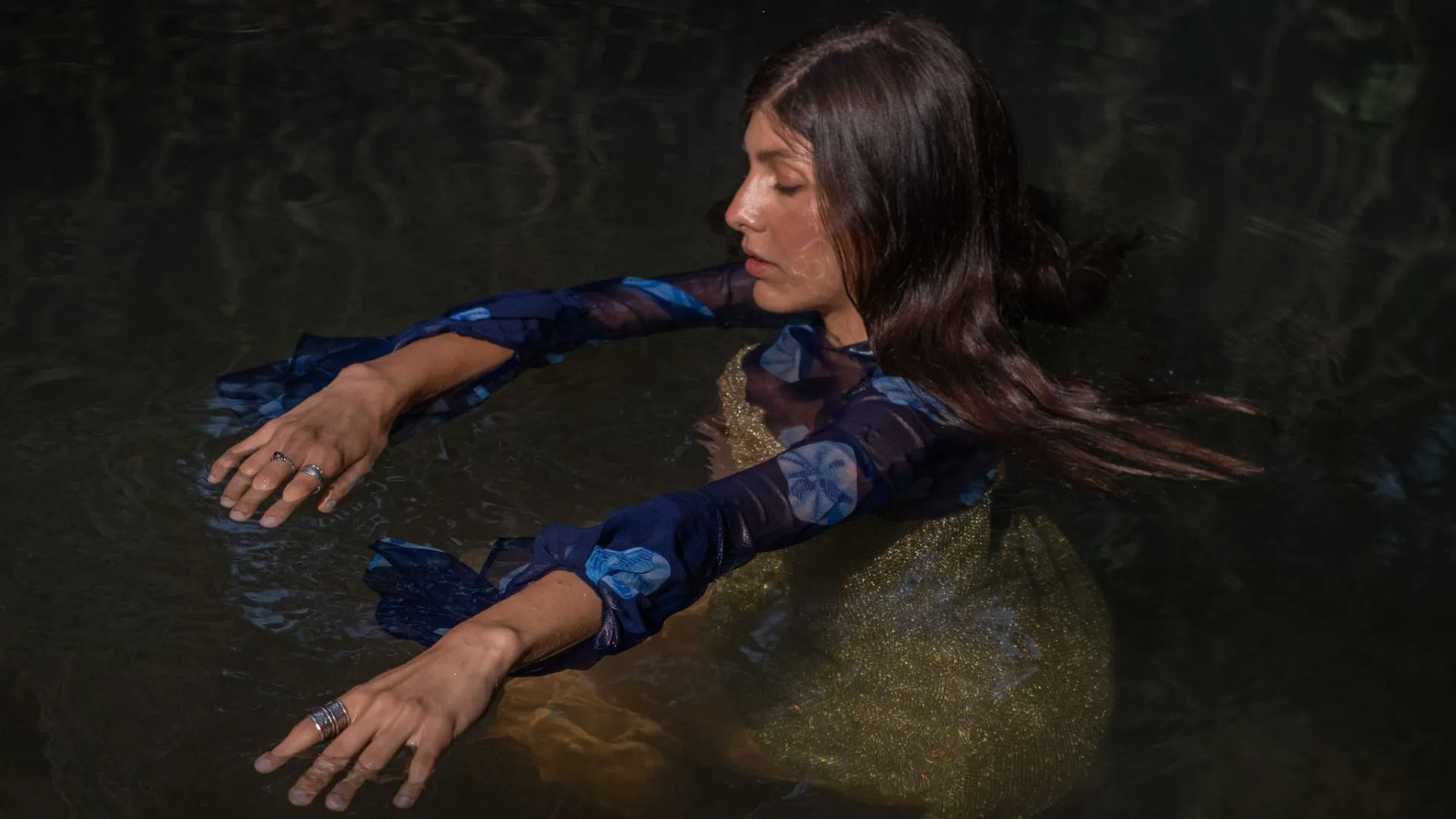
Sanaya Ardeshir’s nostalgia travels in the opposite direction — inward and backward through the female bloodline, arriving somewhere no less political. Hand of Thought, released in March under her own name rather than her Sandunes moniker, is the most private record on this list and the most quietly defiant.
“Splitting up my musical personality externally has allowed me to materialise more contrast around my work and approach,” Sanaya tells us from a residency she’s at in rural Vermont. “Releasing under my own name has allowed me space to explore new terrain as a composer and to work on orchestration within conceptual themes – all of which take significant time and investigation.”
Hand of Thought began at a Berlin piano residency in 2017, where Ardeshir spent hours connecting meditation and piano playing and repetition, “desperate to improve the level of my playing as a way to salve a bruised ego.” The book she was reading was Opening the Hand of Thought by Kosho Uchiyama — a Zen Buddhist text about daily practice, off the meditation cushion. What slowly revealed itself was an album tracing matrilineality through the lens of Parsi women in her family growing up in Bombay in the mid-twentieth century. Many of them were piano players.
“It was in those deep and meditative piano noodlings which eventually turned into songs that I felt deeply connected to my grandmother, her mother, and hers,” she writes. “A connection that is hard to articulate through language, but much easier to distill through music.” Across eight tracks her piano sits alongside brass, saxophone, trumpet, bass and tabla — Shirish Malhotra, Rhys Sebastian, Neil Waters, Nathan Thomas and Sarathy Korwar — in combinations that serve the story rather than the genre.
Hand of Thought reaches into a particular community, a particular way a woman’s hands move across keys that other women in her family moved across before her, without anyone naming it as inheritance. After years of near-signings, she co-founded Karigar Records with Krishna Jhaveri to release it herself.
On what having her own label means for her, she says, “It allowed me to bring the locus of control and agency closer to myself. The music industry is, in many ways, antithetical to the nature and spirit of music itself — and it felt like the time was finally right to set up our own home and system to share work the way it’s intended to be shared.”
The music no longer needs to ask whether it will travel; it has its own home.
What connects these five South Asian musicians artists is a particular relationship to the past — one that refuses to treat it as either a museum or a wound. Karshni Nair stands apart: her rage is present tense. But around her, something equally deliberate is happening. The archive is a treasure to be shared. The rose garden is a protest. The piano carries what the women before you never said aloud. From Chicago sample dens to Goan heritage mansions to a Pune bedroom, independent South Asian music in 2026 is metabolising grief, nostalgia, and memory — and finally building the house it lives in.
Aditi Dharmadhikari
Aditi is an independent writer, editor, and communications consultant for purpose-based organisations. She kicked off her career in Bombay as a culture writer writing about music, alternative culture, and gender; today, she works in impact storytelling, advising a diverse clientele in stories that most represent them. You can check out more of Aditi’s work at Noughtsandcrosses.in
Jam Radio
Our Editorial Platform
Bringing you the best of culture, through exclusive stories from our community